Dīng Xiāng (丁香), known in English as Clove (Eugenia caryophyllata), is a warm, acrid Chinese herb from the Warm interior category. It enters the Stomach, Spleen and Kidney channels. Its main action: warms Middle Jiao, descends rebellious qi, stops hiccup and vomiting.
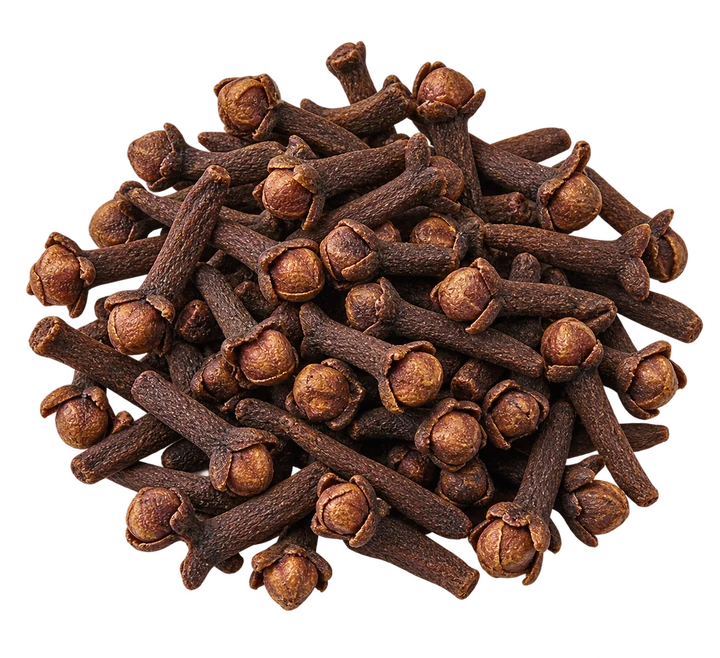
| Pinyin | Dīng Xiāng (Ding Xiang) |
|---|---|
| Chinese | 丁香 |
| English | Clove |
| Botanical name | Eugenia caryophyllata |
| Category | Warm interior |
| Nature | Warm |
| Flavour | Acrid |
| Channels | Stomach, Spleen, Kidney |
| Dosage | 1–3g |
| Cautions | Heat patterns; incompatible with Yu Jin |
Actions
- Warms Middle Jiao, descends rebellious qi, stops hiccup and vomiting
- Warms Kidney Yang
Indications
- Cold-induced hiccup, vomiting, belching
- Kidney Yang deficiency
- Cold Bi pain
How to remember Dīng Xiāng
Warm interior herbs are mostly warm or hot and acrid, and most enter the Stomach, Spleen and Kidney channels.
- You can work these out
- Warm, Acrid: like most Warm interior herbs
- Stomach and Spleen channels: from its action “Warms Middle Jiao”
- Kidney channel: from its action “Warms Kidney Yang”
Other Warm interior herbs
Test yourself
What is the nature and flavour of Dīng Xiāng?
Dīng Xiāng is warm and acrid.
Which channels does Dīng Xiāng enter?
Dīng Xiāng enters the Stomach, Spleen and Kidney channels.
What are the actions of Dīng Xiāng?
Warms Middle Jiao, descends rebellious qi, stops hiccup and vomiting; Warms Kidney Yang.
What is Dīng Xiāng used for?
Cold-induced hiccup, vomiting, belching; Kidney Yang deficiency; Cold Bi pain.
Practise Dīng Xiāng and the other 290 herbs
Recognise each herb from its picture, recall its nature, flavour, channels and actions, and review it again just before you would forget it.
Try the 5-question herb quizShen Study is a study tool. Doses and cautions are as taught in standard Chinese materia medica texts; they are not prescribing advice.